What Happens If You Don’t Pay Your Property Taxes In Texas
December 20, 2025 10
Key Takeaways:
- Penalty Growth: Unpaid taxes in Texas quickly accumulate interest and fees that can significantly increase the total amount owed.
- Legal Risk: Delinquent taxes can lead to liens, lawsuits, and foreclosure if not addressed within specific timeframes.
- Relief Options: Property owners can explore payment plans, tax loans, and professional protest services to manage or reduce their tax burden.
Property taxes are a major financial responsibility for Texas homeowners, and it’s not uncommon for payments to fall through the cracks. Life happens, expenses pile up, and suddenly the deadline to pay your property taxes has come and gone. But missing that payment isn’t something to ignore. In Texas, unpaid property taxes can turn into serious legal and financial issues if left unresolved. From penalties and liens to the possibility of losing your home, the consequences can escalate quickly.
At Property Tax Solutions, we specialize in helping Texas property owners take control of their tax burdens. We’ve worked with thousands of homeowners and commercial property owners across the state, successfully reducing overinflated tax bills and guiding clients through the protest and payment process. Our team understands how stressful property taxes can be, and we’re proud to offer real solutions that get results.
Consequences Of Not Paying Property Taxes In Texas
Failing to pay property taxes in Texas can trigger a series of escalating consequences that may jeopardize your finances and even your ownership rights. What starts as a missed deadline can evolve into long-term complications if not handled promptly.
Penalties And Interest Build Quickly
Property taxes in Texas are due by January 31st each year. After that, penalties and interest begin to stack up. By February 1st, a 6% penalty is immediately applied. Then, for each additional month the taxes remain unpaid, another 1% is added, capping at 12% for the year. On top of that, 1% monthly interest accrues until the balance is paid. If the bill goes unpaid for too long, collection fees of up to 20% can be added by the county’s attorney.
Tax Liens Take Priority Over Mortgages
If the taxes remain unpaid, the county can place a tax lien on your property. This legal claim is serious, tax liens are senior to most other liens, including mortgages. That means even your lender may require that the lien be resolved before allowing a refinance or property sale.
Risk Of Foreclosure
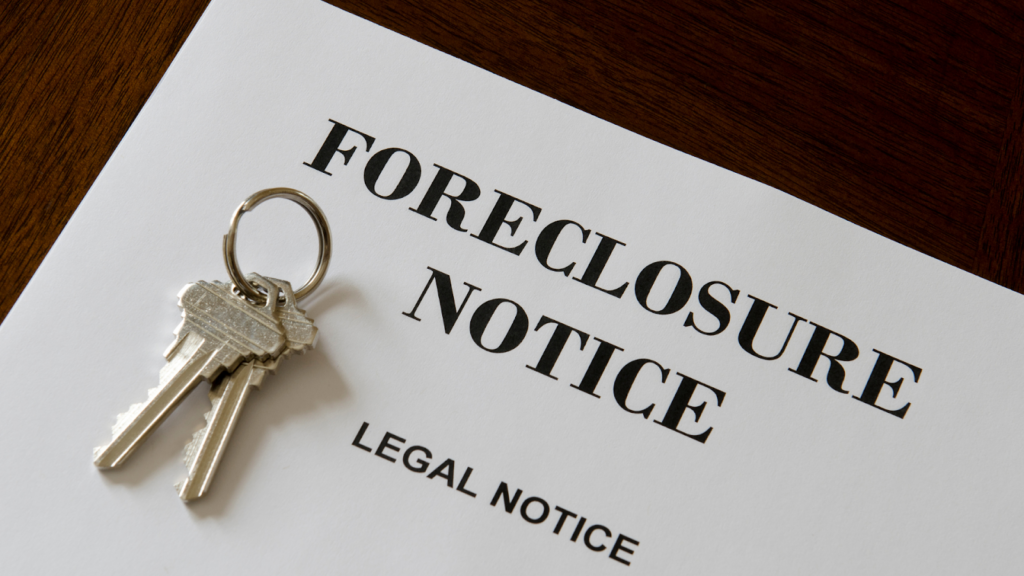
Unpaid property taxes can eventually lead to foreclosure. Texas law allows counties to initiate a lawsuit to recover the debt. If the court rules in favor of the county, your home may be sold at a public auction. Foreclosure can also damage your credit and limit future housing opportunities.
Legal And Administrative Costs Stack Up
Delinquent tax cases that enter the legal system come with a price. Homeowners may be responsible for attorney fees, court filing costs, and administrative expenses, all on top of the original tax bill and penalties. These legal costs can grow significantly over time.
How Delinquent Taxes Affect Homeownership
Falling behind on property taxes doesn’t just affect your balance sheet. It can undermine your stability as a homeowner and limit your financial flexibility in more ways than one.
Delays Can Lead To Legal Action
When taxes go unpaid, counties don’t sit idle. Most begin with mailed notices and formal warnings. If those go ignored, the local taxing authority can file a lawsuit to recover the delinquent amount. Once legal action begins, your property is at real risk of being taken through the courts.
Tax Liens Make It Difficult To Sell Or Refinance
A tax lien follows the property, not the owner. That means you can’t simply sell your home or refinance your mortgage without resolving the lien first. This can block many paths to financial recovery, especially if you’re hoping to leverage your home’s value.
The Threat Of Losing Your Home
The most severe consequence is the potential loss of your property. If delinquent taxes remain unpaid after legal proceedings, the home can be sold at auction. This isn’t just a temporary setback. A foreclosure due to unpaid taxes can lower your credit score, limit future housing options, and bring long-term financial strain.
Understanding Property Taxes In Texas
Property taxes are a major part of owning real estate in Texas, and understanding how they work is crucial if you want to manage your obligations effectively and avoid overpaying.
How Property Taxes Are Calculated
Every year, your local appraisal district assigns a market value to your property. This assessed value is used as the basis for calculating your tax bill. Local taxing entities such as school districts, cities, and counties, each apply their own rates to that value, and the total amount you owe is the combined result.
Why Valuations Can Feel Inflated
Sometimes, the appraised value may be higher than what your home would actually sell for. This can lead to an unnecessarily high tax bill. Property owners have the right to challenge these valuations through a formal protest process. If successful, the adjustment can result in meaningful savings.
Understanding Your Rights As A Property Owner
Texas law gives you the right to review your appraisal, file a protest, and attend a hearing to present evidence. Knowing this process and acting within the required deadlines can be the difference between paying too much and paying a fair amount.
Options For Paying Overdue Property Taxes
If you’re behind on your property taxes in Texas, there are still ways to regain control of the situation. Knowing your options can help you prevent the problem from escalating into foreclosure or legal action.
Payment Plans Through The County
Most Texas counties offer payment plans that let you divide your tax bill into manageable monthly installments. These plans are often available to homeowners with financial hardships or those who meet specific criteria. Contacting your county tax office directly is the best way to understand the options available to you and any fees that might apply.
Property Tax Loans
Private lenders in Texas offer property tax loans that cover the full amount of your delinquent taxes. These loans can stop further penalties and interest from building up. However, the loan itself will need to be repaid under a separate agreement, often with its own interest rate and terms. It’s important to review the terms carefully to ensure they fit your budget and timeline.
Making Partial Payments
Some counties may accept partial payments toward overdue taxes. While this won’t stop interest from accruing, it can reduce the overall penalty and show that you’re making an effort to pay. Every dollar helps when you’re trying to prevent further action.

Seeking Help From A Property Tax Specialist
You don’t have to navigate these challenges alone. Reaching out to an expert in Texas property tax law can provide clarity on which payment route makes the most sense for your situation. A knowledgeable partner can also guide you through the appeal process if you believe your property was overvalued.
Seeking Assistance For Property Tax Burdens
Managing property taxes on your own can feel overwhelming, especially when you’re dealing with overdue bills or an assessment that seems too high. Fortunately, help is available if you know where to look.
Professional Support Can Make A Big Difference
Partnering with a property tax specialist gives you access to experienced professionals who understand Texas tax laws and local appraisal processes. They can help you evaluate your situation, determine if your property is over-assessed, and identify the most effective next steps.

Navigating The Protest Process With Guidance
The process of protesting your property valuation involves more than just filling out a form. A qualified advocate can assist with gathering evidence, filing your protest within the correct timeframe, and representing you at hearings if necessary. This can increase your chances of a successful outcome and potentially lower your tax burden.
Tailored Strategies Based On Your Property
Not every property tax issue is the same. A specialist can offer strategies that reflect your specific property type, location, and financial goals. Whether you own a single-family home or a commercial property, expert advice helps you make more confident and informed decisions.
Final Thoughts
Falling behind on property taxes in Texas can lead to more than just added fees. It can result in legal action, tax liens, foreclosure, and long-term financial setbacks. Understanding how the system works, the consequences of non-payment, and the options available to you is the first step in protecting your property and financial well-being.
If you’re currently dealing with overdue taxes or believe your property’s assessed value is too high, it’s important to act quickly. Exploring solutions like payment plans, tax loans, or a formal protest can help you regain control and avoid further penalties. Support from a knowledgeable property tax consultant can make the process more manageable and improve your chances of a favorable resolution.
To see how much you might be able to save, use our free estimate tool at Property Tax Solutions. A few minutes now could lead to long-term savings and peace of mind when your next tax bill arrives.
Frequently Asked Questions About What Happens If You Don’t Pay Your Property Taxes
Can I go to jail for not paying property taxes in Texas?
No, unpaid property taxes in Texas do not result in jail time. However, the county can take legal action that may lead to foreclosure and property loss.
What happens to my mortgage if I don’t pay property taxes?
If you have a mortgage, your lender may step in to pay the delinquent taxes to protect their interest in the property. You will then owe that amount to the lender, often added to your mortgage balance.
Are property taxes in Texas paid in advance or arrears?
Texas property taxes are paid in arrears, meaning the bill due on January 31 covers the previous calendar year.
Does a property tax lien affect the sale of my home?
Yes, a property tax lien must be paid off before the property can be sold. It takes priority over most other debts, including your mortgage.
Can seniors defer paying property taxes in Texas?
Yes, homeowners aged 65 or older may be eligible to defer their property taxes until the home is sold or the owner passes away. Interest still accrues during the deferral.
Are there penalties for accidentally underpaying my property taxes?
Yes, even if the underpayment was unintentional, you may still face penalties and interest on the unpaid amount, so it’s important to verify your tax bill.
Is there a deadline to protest my property tax assessment?
Yes, typically you must file a protest by May 15 or within 30 days of receiving your notice of appraised value, whichever is later.
Can I negotiate a lower property tax rate with the county?
No, tax rates are set by local taxing units and are not negotiable. However, you can protest the assessed value of your property to reduce your overall tax bill.
What documents do I need to protest a property tax assessment?
Supporting documents may include recent appraisals, sales data for similar properties, repair estimates, or photos showing condition issues that affect value.
Do I need a lawyer to resolve unpaid property taxes?
While you don’t need a lawyer, consulting with a property tax specialist can often provide more targeted support and reduce costs compared to legal representation.